Silver Spring Flooring Contractor: Top Services
Revitalize Your Home: An Expert Guide to Finding the Right Hardwood Flooring
Picking the ideal hardwood flooring can greatly impact a home's visual appeal and functionality. With numerous options on the market, knowing the best types and styles is crucial. Elements like coatings, surfaces, and budget considerations also factor heavily in the decision-making process. Care schedules can also impact the lifespan of the purchase. As residents weigh these factors, they may find themselves questioning which options will truly enhance their home interiors.
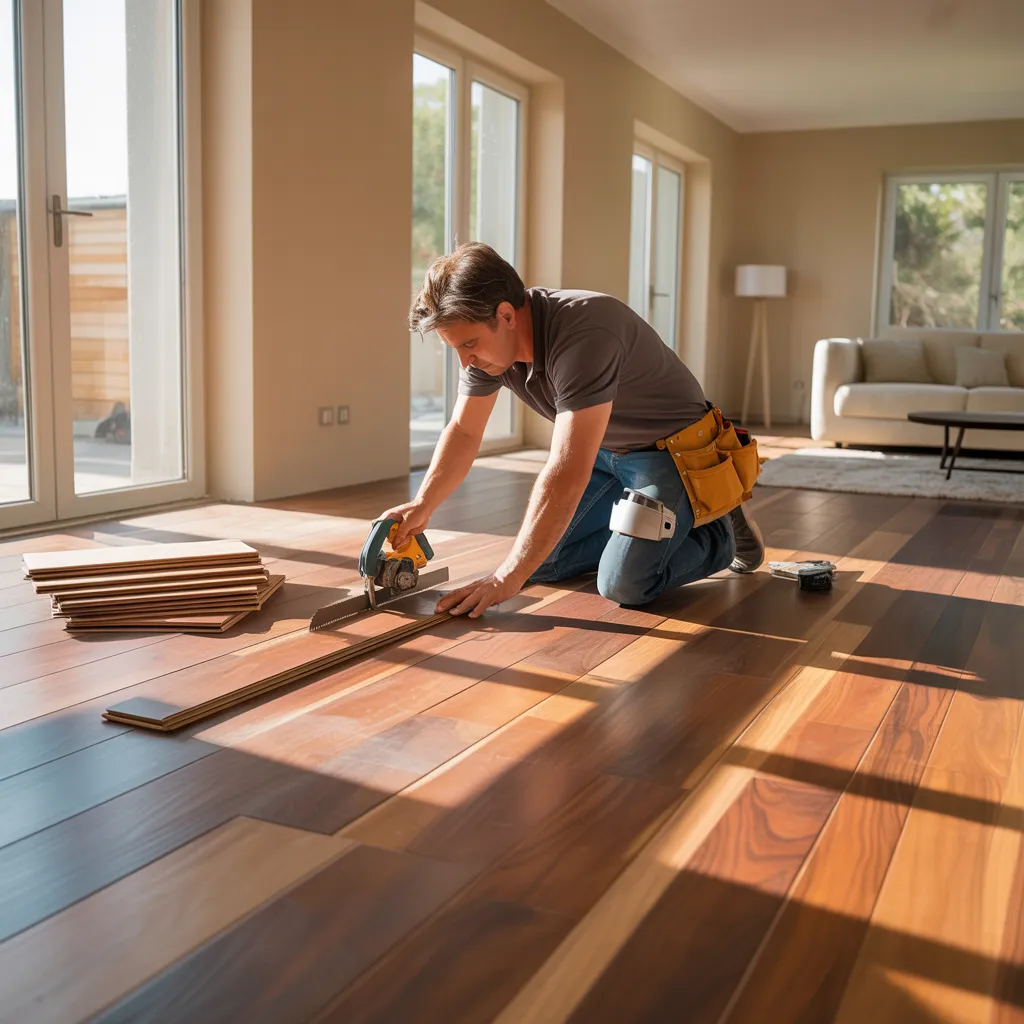
Which Hardwood Types Are Best Suited for Your Home?
When selecting hardwood flooring, which options are most suitable for a home? The choice often depends on factors such as longevity, visual appeal, and upkeep demands. Oak is a favored choice because of its durability and adaptability, delivering a traditional aesthetic that suits a wide range of interiors. Maple, celebrated for its firmness, presents a pale color spectrum, making it a perfect fit for contemporary spaces. Walnut showcases a bold, dark color and is appreciated for its one-of-a-kind grain details, infusing warmth and character into any environment. Hickory is notable for its exceptional strength and striking color contrasts, making it an excellent choice for heavily used spaces. For homeowners looking for an eco-conscious alternative, bamboo, despite being a grass by nature, closely resembles hardwood and offers green benefits. Each option boasts its own set of special attributes, allowing homeowners to identify the right fit for their living habits and aesthetic tastes. Understanding these differences is essential in making an informed decision.
Finding Your Hardwood Style
How should homeowners go about choosing the most suitable hardwood style for their living space? To make an informed choice, they should first consider the overall aesthetic of their home. Classic interiors may be well suited to timeless choices like oak or maple, while contemporary spaces might be enhanced by sleek, dark woods like walnut or engineered hardwood. Beyond aesthetics, the size and arrangement of the room serve as critical considerations; broader planks have the ability to open up a room and impart a feeling of spaciousness, while narrower plank choices tend to complement smaller rooms more effectively.
Homeowners should also review existing furniture and decor. Harmonizing the flooring style with the room's furnishings can provide a cohesive look. Moreover, reflecting on the functionality of the space is essential. Areas with high foot traffic may call for more durable varieties, while quieter rooms can accommodate more delicate finishes. By weighing these considerations, homeowners can select a hardwood style that suits their lifestyle and elevates their home's charm.
Selecting Finishes and Surface Textures for Your Floors
In selecting surface finishes and textures for hardwood floors, having a thorough understanding of the different finish types is crucial for reaching the desired look and durability. Additionally, considering various texture options can enrich the character of the floor and bring out the best in the overall design of the area. Combined, these decisions play a critical role in determining the floor's functionality and aesthetic value.
Finish Types Explained
Choosing the right finish for hardwood flooring is important, as it not only enhances the wood's organic charm but also affects durability and maintenance. There are numerous finish types on the market, each with distinct characteristics. Oil-based polyurethane offers a durable protective layer, lending a rich, amber hue but necessitating longer drying times. Water-based polyurethane, on the other hand, cures fast and preserves the wood's original color, rendering it a preferred option for modern settings. Additionally, penetrating oil finishes enrich the wood while providing a more natural appearance, although they may require more frequent reapplication. Finally, wax finishes provide a singular, inviting aesthetic but need regular maintenance to preserve the coating's condition. Identifying the suitable finish is critical for attaining both review decorative elegance and practical endurance.
Texture Options Overview
Texture serves a vital role in the complete look and usability of hardwood flooring. A range of texture selections can deeply affect the visual appeal and character of a space. Smooth finishes provide a clean, contemporary appearance, making them perfect for modern environments. Alternatively, hand-scraped textures deliver a countryside appeal, highlighting the natural beauty of the wood. Distressed finishes, frequently selected to capture a timeless charm, can mask routine signs of use, making them ideal for heavily used rooms. Wire-brushed textures produce a delicate, aged appearance, introducing dimension without dominating the aesthetic. Essentially, the preferred texture should correspond with personal preferences and the planned mood of the interior, ensuring a harmonious integration with existing decor.
How to Plan Your Hardwood Flooring Budget
What are the best ways for homeowners to budget for hardwood flooring? The first step is to measure the total square footage of the area that needs flooring, as this will impact material costs. Researching various hardwood types and their price ranges is essential; factors such as species, grade, and finish can considerably affect costs. Homeowners must also factor in supplementary expenses like underlayment, installation, and any needed subfloor repairs.
Setting a reasonable financial plan involves factoring in both materials and labor. Homeowners can request estimates from various installers to assess installation costs and ensure they are getting a competitive price. Furthermore, they should account for possible future maintenance expenses, as superior-quality hardwood may demand less upkeep over time. To conclude, setting aside a reserve of about 10-15% for unexpected expenses can serve as a financial cushion, ensuring residents keep to their budget constraints while attaining their ideal flooring appearance.
Tips for Keeping Your Hardwood Floors in Great Shape
Once you have invested in quality hardwood flooring, preserving its appearance becomes a top priority for homeowners. Regular cleaning is essential; employing a soft-bristle broom or microfiber mop allows you to clear away dust and debris without damaging the surface. When a more thorough cleaning is needed, a hardwood floor cleaner can be used sparingly to prevent excess moisture buildup.
Preventative measures also play a significant role. Installing area rugs in high-traffic areas helps protect against damage, while placing felt pads beneath furniture legs keeps scratches at bay. Homeowners should also be mindful of humidity levels, as too much moisture or dryness may cause the wood to warp.
Additionally, quick action on spills is vital; removing them immediately avoids discoloration. As a final step, occasional refinishing treatments can renew the floor's glow, ensuring that the hardwood remains a stunning feature of the home for years to come. Using these techniques, residents can preserve the beauty of their hardwood floors and increase their longevity.
DIY vs. Hiring a Professional: What You Should Know?
When weighing DIY against professional installation for hardwood flooring, many homeowners question which choice best fits their requirements and finances. DIY installation can be a cost-effective choice, giving homeowners the opportunity to cut down on installation fees. However, it requires a certain skill level, tools, and time commitment. Mistakes during installation can lead to costly repairs or premature wear.
On the other hand, bringing in expert installers ensures a top-notch finish, as expert technicians have the experience to tackle obstacles that could emerge. They can further provide warranties, delivering assurance about the installation's lasting performance.
Ultimately, the decision copyrights on how confident the homeowner feels in their skills and how complex the project is. For those with limited experience or looking for a flawless result, professional installation may be the wiser choice, whereas experienced DIYers may enjoy the rewards and cost benefits of completing the project on their own.
Questions We Often Receive
What Is the Typical Lifespan of Hardwood Flooring?
Hardwood floors generally last from 20 up to 100 years, influenced by the wood type, care routine, and how well it was installed. Consistent maintenance can significantly prolong its durability, making it a durable choice for many homes.
How Many Times Can Hardwood Floors Be Refinished?
That's correct, hardwood floors can usually be refinished multiple times, depending on the depth of the wood. Every time the floor is refinished removes a thin layer, so keeping enough wood material is necessary to secure durability and a long lifespan.
What Is the Ideal Method for Caring for Pets on Hardwood?
To maintain pets on hardwood, frequently sweep or vacuum to remove hair and dirt, position mats in frequently traveled areas, and quickly clean up spills. Think about using animal-friendly finishes to enhance durability and prevent scratches.
Are There Eco-Friendly Hardwood Options Available?
Yes, eco-friendly hardwood options are available. Responsible sources like bamboo and reclaimed wood work to reduce environmental impact. Standards such as FSC certification help guarantee responsible harvesting, promoting a greener choice for environmentally conscious consumers seeking beautiful flooring solutions.
How Does Humidity Impact Hardwood Flooring?
Humidity levels greatly impact hardwood flooring, leading it to swell in humid conditions and shrink in dry conditions. These changes can result in gaps, warping, and various structural problems if not carefully managed and maintained.